
Open Cell Spray Foam Insulation in El Segundo, CA
Energy-Saving Open Cell Spray Foam Insulation for El Segundo, CA Homes — Licensed & Insured
Need open cell spray foam insulation in El Segundo, CA? Cool Zone Insulation delivers expert installation for coastal homes. Call (310) 861-9135 for a free estimate.
Open cell spray foam insulation is a cutting-edge insulation solution that expands on contact, filling every gap, crack, and cavity with a soft, flexible foam that delivers outstanding thermal and acoustic performance. Unlike traditional fiberglass batts or blown-in cellulose, open cell spray foam creates a seamless air barrier that dramatically reduces energy loss and moisture intrusion — two challenges that are especially pressing in El Segundo’s unique coastal environment.
El Segundo sits directly on the Southern California coast, just west of LAX and bordered by the Pacific Ocean to the west. The city’s marine layer, salt-laden air, and proximity to industrial corridors create insulation challenges that generic products simply cannot address. At Cool Zone Insulation, we specialize in open cell spray foam solutions engineered for El Segundo’s specific climate, building stock, and code requirements. Whether you own a mid-century bungalow near Eucalyptus Park or a modern commercial space near the Chevron refinery campus, we deliver precision insulation that pays for itself in energy savings and indoor comfort. Call us today at (310) 861-9135.
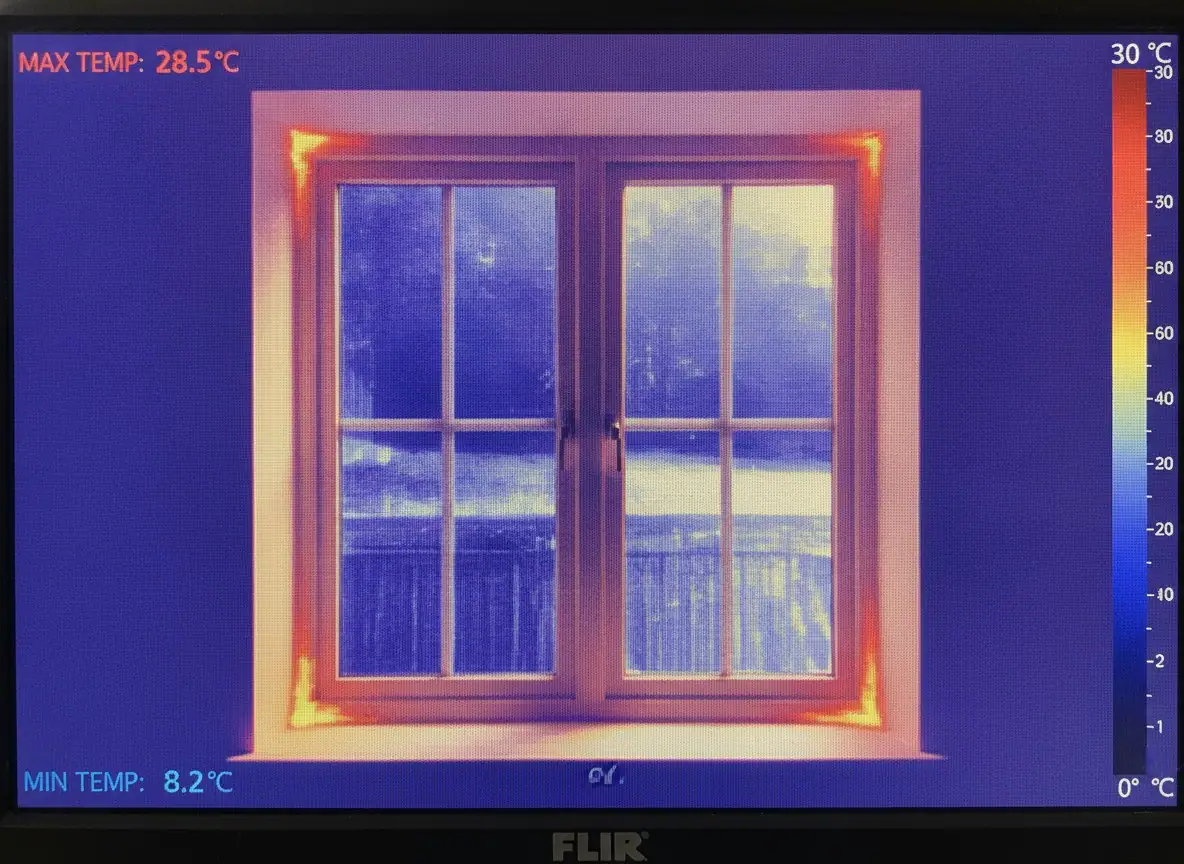
Understanding Open Cell Spray Foam Insulation
Open cell spray foam insulation is a two-component polyurethane product. When the two liquid components — isocyanate and polyol resin — are mixed at the spray tip, a chemical reaction causes the mixture to expand up to 100 times its original volume within seconds. The resulting foam has millions of tiny open cells filled with air rather than a solid polymer, which gives it a soft, sponge-like texture and an R-value of approximately R-3.5 to R-3.8 per inch.
The technology traces its commercial roots to the 1970s energy crisis, when American builders and engineers began seeking alternatives to the fiberglass batts that had dominated residential construction since the post-World War II building boom. By the 1990s, spray polyurethane foam had matured into a reliable two-part system, and open cell formulations became increasingly popular for residential attics, interior walls, and crawl spaces where vapor permeability and sound dampening were priorities.
Read moreShow less
In Southern California — and El Segundo specifically — open cell spray foam gained significant traction in the 2000s as Title 24 energy compliance requirements became more stringent. California’s Building Energy Efficiency Standards demanded higher envelope performance, and open cell foam offered a faster path to compliance than stacking multiple layers of traditional insulation. El Segundo’s housing stock presents a particularly interesting application landscape. The city contains a high density of post-war construction built between 1945 and 1965, when the aerospace industry brought thousands of workers to the area. These homes — mostly wood-frame construction with minimal original insulation — are prime candidates for open cell spray foam retrofits.
Commercial and light industrial properties near the El Segundo Business Park and the aerospace corridor along Sepulveda Boulevard also benefit significantly from open cell foam’s ability to insulate irregular steel-framed cavities, reduce HVAC loads, and improve acoustic separation between office and manufacturing spaces. The product is also widely used in El Segundo’s coastal multi-family housing, where salt air accelerates the degradation of older insulation materials.
Open cell foam is vapor permeable, which means it allows moisture to pass through rather than trapping it — a critical characteristic in coastal climates where managing humidity rather than blocking it entirely is often the smarter building science approach. Learn more about our full spray foam insulation services
Why Open Cell Spray Foam Insulation Is Needed in El Segundo
Marine Layer and Coastal Humidity
El Segundo experiences a Mediterranean coastal climate with an average relative humidity of 70–80% during morning marine layer hours, particularly from May through September — locally known as “May Gray” and “June Gloom.” This persistent moisture infiltration degrades fiberglass batts over time, reducing their effective R-value by as much as 40% when batts become compressed or damp. Open cell spray foam maintains its thermal resistance even in humid conditions because it bonds directly to framing members, eliminating the air movement that carries moisture through wall assemblies. In neighborhoods like the Sand Section near the beach, homes report indoor humidity swings of 15–20 percentage points between morning and afternoon without proper air sealing — a problem open cell foam addresses at the source.
Salt Air Corrosion of Existing Insulation Systems
Salt air from the Pacific Ocean — measurable at concentrations up to 3.5 mg/m² per day at El Segundo’s western border — aggressively degrades kraft-faced fiberglass batts and the vapor retarders installed in homes built before 1980. The foil and paper facings deteriorate, staples rust and pull away from framing, and gaps open in the thermal envelope. Cool Zone Insulation regularly encounters homes in El Segundo where 1950s-era insulation has collapsed to an effective R-value of R-4 or less in walls originally rated R-11 — a thermal performance loss of over 60%.
Proximity to LAX and the I-405
El Segundo is immediately east of LAX’s runways and borders the I-405 freeway, two of the highest-noise corridors in the Los Angeles Basin. Continuous aircraft noise — measured at 65–75 dB(A) LDN in residential areas along Imperial Avenue and Vista del Mar — penetrates poorly sealed building envelopes. Open cell spray foam’s NRC (Noise Reduction Coefficient) of approximately 0.70 makes it significantly more effective at blocking airborne sound than fiberglass (NRC ~0.95, but only when properly installed without gaps). The seamless air barrier eliminates the flanking paths that allow noise to travel around traditional insulation.
Industrial Heat Islands and HVAC Demand
The Chevron El Segundo Refinery, the largest oil refinery on the West Coast, and the concentration of aerospace facilities including Raytheon and Boeing operations in the city contribute to localized heat island effects. Summer afternoon temperatures in El Segundo’s inland neighborhoods near Center Street can run 4–6°F warmer than coastal blocks. Inadequately insulated homes in these areas see HVAC systems running 30–40% longer during summer afternoons, driving electricity costs significantly above the Los Angeles DWP average. Open cell spray foam applied to attic rafters rather than the attic floor converts the attic into a conditioned space, directly reducing roof deck temperatures by up to 30°F on summer afternoons.
Aging Building Stock and Title 24 Compliance
Over 45% of El Segundo’s residential structures were built before 1970, predating California’s first meaningful energy efficiency mandates. Permit-driven renovation projects — which increased sharply after El Segundo updated its residential design standards in 2018 — frequently require Title 24 compliance upgrades. Open cell spray foam is consistently the fastest single-product solution for meeting the wall and attic U-factor requirements under California’s current energy code. Explore our insulation removal services before your upgrade
Free, no-obligation estimates
Talk to Cool Zone Insulation
Tell us what you need and we’ll take it from there.
Signs You Need Open Cell Spray Foam Insulation in El Segundo
Energy and Comfort Indicators
- Monthly electricity bills exceeding $180–$220 during summer months in a home under 1,800 square feet
- Rooms along the western or southern walls feeling 5°F or more warmer than interior rooms despite running the AC
- HVAC system cycling on every 8–12 minutes during July and August afternoons
- Drafts detectable near electrical outlets, window frames, or recessed lights on windy days from the Pacific
Moisture and Air Quality Indicators
- Condensation forming on interior wall surfaces during marine layer mornings between May and September
- Musty odors in attic or crawl space, particularly after winter rains exceeding 0.5 inches
- Visible mold or mildew growth on insulation facing materials in the attic or walls
- Allergy or asthma symptoms worsening indoors — a sign of infiltrating coastal air pollutants and allergens
Noise and Structural Indicators
- Clearly audible aircraft noise from LAX flight paths indoors, even with windows closed
- Insulation that appears yellowed, compressed, or detached from framing when viewed in accessible attic areas
- Insulation installed before 1980 that has never been replaced or supplemented
Urgency note: If you notice both moisture signs and comfort complaints simultaneously, you may be experiencing accelerated insulation degradation. Contact Cool Zone Insulation at (310) 861-9135 for a same-week assessment.
Our process
Our Open Cell Spray Foam Insulation Process in El Segundo
- 01
Free On-Site Assessment (1–2 Hours)
Our certified technician visits your El Segundo property to conduct a comprehensive thermal and moisture assessment. We use infrared thermography to map existing insulation gaps and blower door testing to quantify air leakage rates. We also review your current
- 02
Scope and Proposal Development (24–48 Hours)
We prepare a detailed written proposal specifying foam thickness, R-value targets, and Title 24 compliance documentation if required. El Segundo projects near the coastal zone may require additional vapor management planning, which we address in writing before
- 03
Site Preparation (2–4 Hours on Day of Installation)
Our crew masks and protects all surfaces adjacent to spray areas, including windows, electrical fixtures, HVAC equipment, and stored items. In El Segundo attics — many of which contain original 1950s knob-and-tube wiring that must be documented and worked arou
- 04
Foam Application (3–8 Hours Depending on Scope)
We apply open cell spray foam in lifts of 3–4 inches, allowing each lift to fully expand and cure before the next application. For attic rafter applications in El Segundo’s marine climate, we typically target a minimum of 5.5 inches (approximately R-20) to mee
- 05
Trimming and Surface Finishing (1–2 Hours)
Excess foam is trimmed flush with framing members. In finished spaces, foam is cut to allow drywall or finish materials to be reinstalled without compression.
- 06
Post-Application Inspection and Air Quality Clearance (30–60 Minutes)
The space is ventilated for a minimum of 24 hours post-application. Our technician returns to confirm full cure, verify thickness with a calibrated depth gauge, and issue a completion report with installed R-values documented for permit or rebate purposes.
- 07
Cleanup and Debris Removal
All masking materials, trim waste, and packaging are removed from the property. We leave your El Segundo home cleaner than we found it. Learn about our attic insulation services
Open Cell Spray Foam Methods and Approaches
Attic Rafter (Unvented Attic) Application
The most common application in El Segundo’s post-war bungalows and ranch homes, this method converts the attic into a semi-conditioned space by spraying foam directly to the underside of the roof deck and rafter bays. This approach is ideal when HVAC ducts run through the attic — a configuration found in over 60% of El Segundo homes built between 1950 and 1975. By bringing the duct system inside the thermal envelope, homeowners typically see HVAC efficiency gains of 20–30%.
Wall Cavity Injection via Open Cell Foam
For existing finished walls, our team drills small access holes between framing bays and injects open cell foam under controlled pressure. This method is particularly effective in El Segundo homes where exterior stucco walls have developed micro-cracks that allow salt air infiltration. The foam expands to fill the full cavity depth without requiring wall demolition. Compare with our blow-in insulation services
Crawl Space Ceiling Application
In El Segundo homes with raised foundations — common in the older residential areas east of Sepulveda Boulevard — open cell foam is applied to the underside of the floor deck above the crawl space. This eliminates cold floors during El Segundo’s cooler marine-layer mornings and prevents the ground moisture that causes wood rot in the coastal environment. Learn more about crawl space insulation
Commercial and Mixed-Use Applications
For El Segundo’s growing inventory of mixed-use and light commercial properties near the downtown area and Douglas Street corridor, open cell foam is applied to metal stud wall cavities and steel roof deck assemblies, where its expansion capability and adhesion to metal substrates outperform rigid board alternatives.
Open Cell Spray Foam Insulation Cost in El Segundo
Understanding the cost of open cell spray foam insulation in El Segundo helps homeowners and property managers plan their investments accurately. Pricing varies based on application area, foam thickness, and project complexity.
Typical Cost Ranges
- Attic rafter application (unvented attic): $1.50–$2.50 per board foot, with most El Segundo homes (1,200–1,800 sq ft footprint) falling in the $3,500–$7,500 range for a full attic treatment at 5.5 inches
- Wall cavity injection (existing finished walls): $1.00–$1.75 per board foot; typical single-story El Segundo bungalow wall treatment runs $2,000–$4,500
- Crawl space floor deck application: $1.25–$2.00 per board foot; average El Segundo crawl space project ranges from $1,800–$4,000
- Commercial applications: $1.25–$2.25 per board foot depending on accessibility and substrate type
Read moreShow less
El Segundo-Specific Cost Factors
Coastal location adds approximately 10–15% to material and labor costs compared to inland Los Angeles markets, reflecting the additional equipment protection required when working near salt air environments and the stricter site preparation protocols for coastal overspray compliance. Homes with original knob-and-tube wiring — common in pre-1950 El Segundo structures — may require electrical remediation prior to foam installation, typically adding $500–$2,000 to the project scope.
Available Incentives
SCE (Southern California Edison) customers in El Segundo may qualify for residential insulation rebates of $0.10–$0.15 per square foot through the Energy Upgrade California program. Cool Zone Insulation provides all documentation necessary to support rebate applications. Call (310) 861-9135 for a free, itemized estimate.
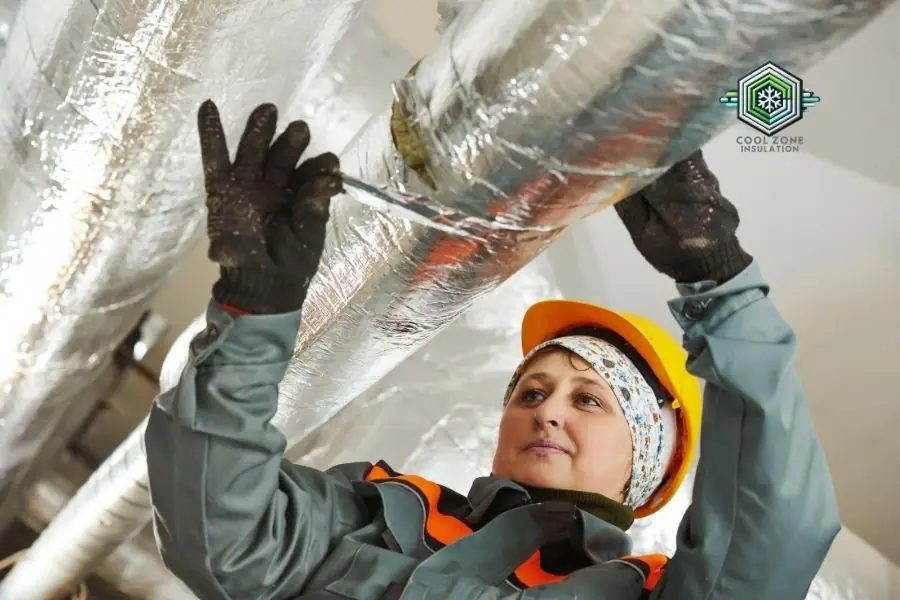
Neighborhoods in El Segundo and Surrounding Areas We Serve
El Segundo Residential Core (Built 1940s–1960s)
The neighborhoods between Main Street and Eucalyptus Park represent some of the densest concentrations of post-war single-family homes in the South Bay. These homes — most built for aerospace workers at what was then Douglas Aircraft — typically have 2×4 wall framing with original R-7 to R-11 fiberglass batts that have significantly degraded. Open cell spray foam retrofits in this area consistently demonstrate energy savings of 25–35% on annual HVAC costs.
Manhattan Beach (Adjacent South)
Manhattan Beach’s high-value residential market features a mix of teardown-rebuild new construction and renovated post-war homes. New construction projects frequently specify open cell spray foam from the framing stage to achieve Title 24 compliance efficiently.
Hawthorne and Lawndale (Adjacent East)
These inland communities feature 1960s–1970s tract homes with attic access suitable for blown-in or spray foam applications. The distance from the coast means slightly lower ambient humidity, but proximity to the I-405 makes acoustic performance a significant priority for homeowners.
Playa del Rey and Marina del Rey (Adjacent North)
Coastal multi-family and condominium stock in these communities benefits from open cell foam’s sound dampening between units and its moisture management performance in the direct ocean-front environment. Explore crawl space encapsulation for coastal properties
Maintenance Tips for Open Cell Spray Foam Insulation in El Segundo
- Annual visual inspection: Check accessible foam surfaces in your attic or crawl space each spring — ideally in April before marine layer season intensifies — for any signs of pest intrusion, physical damage, or discoloration.
- Monitor indoor humidity: Use a digital hygrometer to track indoor relative humidity. El Segundo homes should target 40–55% RH. Consistent readings above 60% may indicate new air infiltration pathways bypassing your foam installation.
- Inspect roof deck penetrations annually: New plumbing, electrical, or HVAC penetrations through insulated surfaces must be sealed with compatible foam or caulk to maintain the air barrier.
- Keep attic vents clear: For vented attic configurations adjacent to spray foam sections, ensure soffit vents remain unobstructed to prevent moisture buildup.
- Pest-proof your exterior: Open cell foam is not a pest deterrent. Seal exterior foundation gaps and roof-to-wall junctions with steel mesh to prevent rodents from creating pathways through foam sections.
- Check HVAC filters monthly: A well-insulated El Segundo home runs its HVAC system less, but the filters still require monthly inspection during marine layer season when airborne particulates are elevated.
- Reapply thermal coating on roof: In El Segundo’s coastal UV environment, maintaining a reflective roof coating above spray foam attic applications extends both roof life and insulation performance.
Why Choose Cool Zone Insulation for Open Cell Spray Foam in El Segundo
Cool Zone Insulation brings deep, hands-on experience with El Segundo’s specific building conditions — from the salt-air challenges along the western residential blocks to the industrial adjacency requirements near the refinery corridor. Our team has completed open cell spray foam projects across El Segundo’s full range of building types: post-war bungalows, modern commercial suites, mid-century multi-family buildings, and light industrial facilities.
We use only commercial-grade, low-VOC open cell foam formulations that meet California Air Resources Board (CARB) standards — an important consideration in an air-quality-sensitive coastal community like El Segundo. Our technicians are trained in building science principles, not just product application, which means we identify and address root causes of thermal and moisture problems rather than simply spraying foam over existing issues.
Read moreShow less
We serve all of El Segundo and the broader South Bay region including Manhattan Beach, Hawthorne, Lawndale, Redondo Beach, Torrance, Inglewood, Culver City, Gardena, Hermosa Beach, Ladera Heights, Palos Verdes Estates, Westchester, Playa del Rey, and Marina del Rey. Every project receives a detailed post-installation report documenting installed R-values and air sealing coverage. Call (310) 861-9135 to schedule your free assessment.
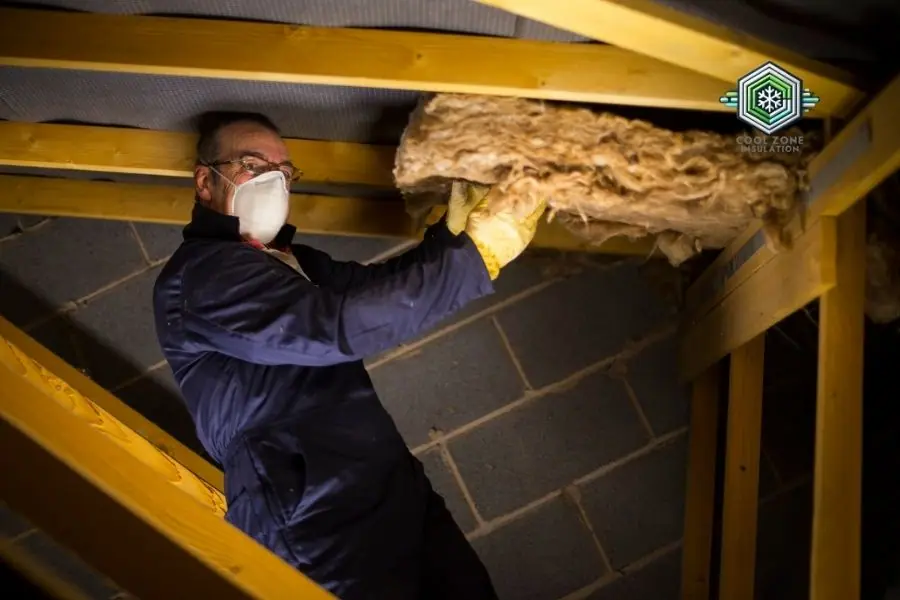
FAQ
Frequently Asked Questions About Open Cell Spray Foam Insulation in El Segundo
How much does open cell spray foam insulation cost in El Segundo?
In El Segundo, open cell spray foam typically costs between $1.50 and $2.50 per board foot for attic applications, and $1.00 to $1.75 per board foot for wall cavity treatments. A complete attic treatment for a 1,400 square foot El Segundo home typically falls between $4,000 and $6,500, depending on rafter depth and accessibility. Coastal location factors add approximately 10–15% compared to inland LA projects.
How long does the installation take for an El Segundo home?
Most single-family residential projects in El Segundo are completed in one day. A full attic rafter application typically takes 4–6 hours of active spray time, plus 2–3 hours of preparation and cleanup. The foam achieves full cure within 24 hours, after which the space is safe for normal use.
Is open cell or closed cell spray foam better for El Segundo’s coastal climate?
Both have valid applications in El Segundo. Open cell foam is generally preferred for interior wall cavities, attic rafter bays, and floor deck applications where vapor permeability is desirable — allowing any trapped moisture to dry to the interior. Closed cell foam is typically specified for below-grade applications, exterior-facing assemblies in direct weather exposure, or situations requiring a higher R-value in a thinner application. Our technicians will recommend the appropriate product based on your specific building assembly and location within El Segundo.
Will open cell spray foam help with the aircraft noise from LAX?
Yes, significantly. Open cell spray foam achieves a Noise Reduction Coefficient (NRC) of approximately 0.70 and — more importantly — eliminates the air gaps and bypasses through which sound travels into the building. El Segundo residents along Imperial Avenue, Mariposa Avenue, and Vista del Mar corridors consistently report noticeable reductions in aircraft noise after spray foam installation, particularly in combination with proper window and door air sealing.
Does open cell spray foam require a building permit in El Segundo?
This depends on the scope of work. Insulation-only retrofits (attic top-up or wall cavity injection without associated structural work) typically do not require a permit in El Segundo under current City of El Segundo building code. However, projects associated with room additions, HVAC replacements, or whole-home energy upgrades may trigger Title 24 permit compliance requirements. Cool Zone Insulation prepares all necessary documentation and will advise you clearly on permit requirements during the proposal phase.
How soon will I see energy savings after installation?
Most El Segundo homeowners notice reduced HVAC cycling within the first billing cycle. Measurable reductions in SCE or LADWP electricity bills are typically visible on the second full monthly statement after installation. Based on typical El Segundo energy profiles, properly installed open cell spray foam in an attic rafter application delivers annual savings of $400–$900 for a 1,200–1,800 square foot home, depending on prior insulation condition and thermostat habits.
Is open cell spray foam safe for homes with children or pets?
Once fully cured — which occurs within 24 hours of application — open cell spray foam is chemically inert and poses no health risk to occupants, children, or pets. During and immediately after application, the space must be vacated and ventilated. Cool Zone Insulation uses low-VOC formulations compliant with California Air Resources Board standards, making them among the safest options available in the California market.
Can open cell spray foam be applied over existing insulation in El Segundo homes?
In attic rafter applications, yes — existing attic floor insulation can often remain in place when the spray foam is applied to the rafter bays above. For wall cavity applications in homes with degraded existing insulation, we typically recommend removal first to ensure full foam adhesion and coverage. Cool Zone Insulation offers complete insulation removal services as part of our full-service approach. Learn about our insulation replacement services
Get Open Cell Spray Foam Insulation in El Segundo Today
Stop paying for energy that escapes through your walls, attic, and floor — and stop letting El Segundo’s marine air, LAX noise, and coastal humidity compromise your home’s comfort. Cool Zone Insulation is ready to assess your property, design the right open cell spray foam solution, and deliver a professionally installed system that performs for decades.
We serve El Segundo and the entire South Bay, including Manhattan Beach, Hawthorne, Redondo Beach, Torrance, Inglewood, Hermosa Beach, Culver City, Gardena, Lawndale, Ladera Heights, Palos Verdes Estates, Westchester, Playa del Rey, and Marina del Rey.
Call us now at (310) 861-9135 to schedule your free, no-obligation on-site assessment. Our team is available Monday through Saturday and offers same-week appointments for El Segundo properties. Comfortable, efficient homes start with one phone call.
Get in touch
Find insulation help near you
Request a free estimate online or give us a call — our team will follow up quickly.
- Call us(310) 861-9135
- Visit2333 Utah Ave, El Segundo, CA 90245
- HoursMon-Sun 07:00-19:00