Blown-In Insulation Cost in El Segundo, CA
Transparent Blown-In Insulation Cost Pricing for El Segundo, CA Homeowners — Free Estimates
Discover blown-in insulation costs in El Segundo, CA. Cool Zone Insulation offers free estimates, Title 24 compliance, and coastal-ready solutions. Call (310) 861-9135.
Blown-in insulation is one of the most effective and affordable ways to improve your home’s energy efficiency — and understanding the true cost upfront helps El Segundo homeowners make smarter decisions. This method involves pneumatically distributing loose-fill insulation material (typically fiberglass or cellulose) into attic spaces, wall cavities, and floors, creating a seamless thermal barrier that reduces heat transfer and lowers utility bills year-round.
El Segundo’s unique coastal climate — characterized by marine layer fog, salt air exposure, and temperatures that fluctuate between 55°F and 85°F — creates specific insulation demands that differ significantly from inland Southern California communities. Homes near the beach lose conditioned air differently than homes just a few miles east, and the right insulation strategy accounts for those local variables.
Read moreShow less
At Cool Zone Insulation, we specialize in blown-in insulation solutions tailored specifically to El Segundo’s housing stock, climate conditions, and building codes. Whether you’re insulating a post-war bungalow near Sepulveda Boulevard or a newer construction near the beach, our team delivers accurate cost estimates and professional installation every time. Call us today at (310) 861-9135 for a free assessment.
Understanding Blown-In Insulation in El Segundo
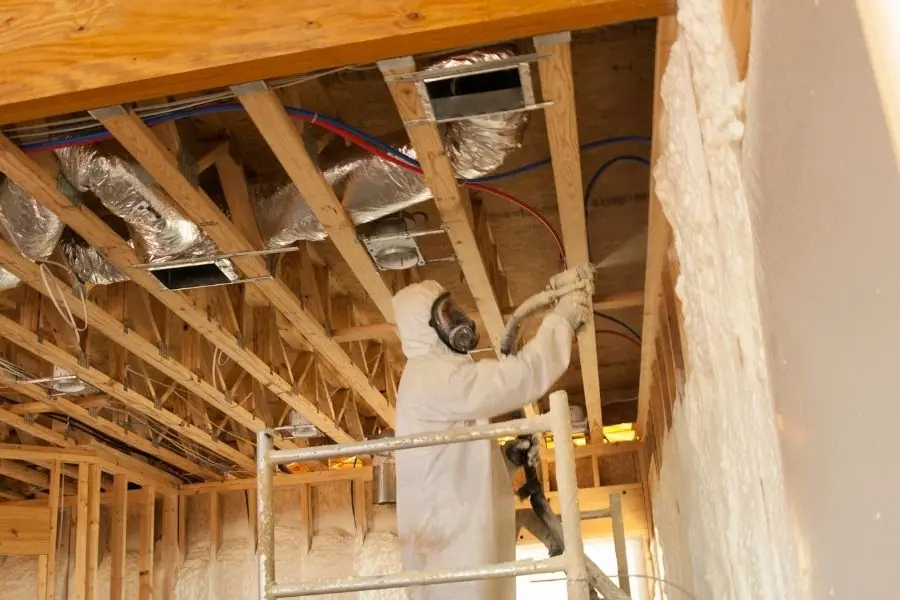
Blown-in insulation — also called loose-fill insulation — has been a trusted thermal solution in American homes since the mid-20th century. The technique uses a blowing machine to propel small particles of insulation material through a flexible hose, allowing contractors to fill irregular spaces, gaps around joists, and hard-to-reach cavities that batt insulation simply cannot address. The two primary materials used today are cellulose (made from recycled paper products treated with fire retardant) and fiberglass (spun glass fibers). Each has specific applications depending on the home’s structure and the local environment.
In El Segundo specifically, blown-in insulation has become increasingly popular among homeowners managing the dual challenge of coastal humidity and the heat radiating off the nearby 405 and 105 freeway corridors. The city’s housing stock reflects its aviation and industrial heritage — many homes were built between the 1940s and 1970s to accommodate workers at the nearby aerospace facilities. These older structures often have uninsulated or under-insulated attics with original fiberglass batts that have degraded over decades, leaving R-values far below the current California Title 24 code requirement of R-38 for attics in Climate Zone 8.
Read moreShow less
Blown-in insulation is particularly well-suited to El Segundo’s residential building types for several reasons:
- Post-war bungalows and ranch-style homes (1940s–1960s) typically have shallow attic depths and narrow joist bays that are difficult to fill with rigid batts.
- Two-story tract homes built in the 1970s–1980s near the downtown core often have wall cavities accessible only through small drill holes, making blown-in the only practical retrofit option.
- Modern townhomes and condos near Smoky Hollow require dense-pack blown-in installation to meet HOA and city permitting requirements.
The process is fast, minimally invasive, and — when performed by a trained contractor — delivers consistent coverage across the entire insulated surface. For El Segundo homeowners, the payback period on blown-in insulation investment is typically 3 to 5 years based on average SoCal Edison energy rates and local climate data.
Learn more about our full range of options: attic insulation services in El Segundo
Why Blown-In Insulation Is Needed in El Segundo, CA
The Marine Layer Effect
El Segundo sits directly on the Pacific Coast, bordered by Dockweiler State Beach to the west. The city experiences a persistent marine layer — locally called “June Gloom” — that blankets the area in cool, moisture-laden air from roughly May through August. This marine air regularly drops relative humidity levels indoors and can introduce moisture into attic spaces where inadequate insulation allows condensation to form. Moisture-laden attic insulation loses R-value rapidly; fiberglass batts can lose up to 40% of their thermal effectiveness when wet. Blown-in cellulose, by contrast, manages moisture more gracefully and resists compression that leads to R-value degradation.
Salt Air Corrosion and Insulation Degradation
Located fewer than 500 feet from the Pacific Ocean at its closest residential edges, El Segundo homes face accelerated material degradation from salt-laden air. Salt air can corrode metal fixtures, degrade HVAC ductwork seals, and — critically — break down older fiberglass batt insulation that was installed without proper vapor barriers. Homes within a half-mile of the beach (roughly the area west of Sepulveda Boulevard) show statistically higher rates of attic insulation failure than homes further inland, based on common inspection findings across the South Bay region.
The Heat Island Effect Near LAX and the 405
Despite its coastal location, El Segundo experiences significant heat island effect along its eastern edge adjacent to the 405 Freeway and the LAX Airport perimeter. Radiant heat from aircraft taxiways, asphalt parking structures, and freeway surfaces can raise ambient temperatures in eastern El Segundo neighborhoods by 5–8°F compared to the beachside blocks. Homes in these areas — particularly along Imperial Avenue and near the El Segundo Boulevard corridor — require higher R-value coverage (R-49 is increasingly recommended by local contractors) to compensate for this added thermal load.
Aging Housing Stock
A significant portion of El Segundo’s residential neighborhoods were developed in phases tied to the aerospace boom of the 1940s through 1960s. Many of these homes — concentrated in the area bounded by Main Street to the east and the beach to the west — were built when building codes did not require any minimum insulation levels. Department of Energy surveys indicate that homes built before 1980 without insulation retrofits can lose up to 30% of their heating and cooling energy through the attic alone. In El Segundo’s older tracts, this translates to hundreds of dollars in unnecessary energy costs each year.
Title 24 Compliance Requirements
California’s Title 24 Building Energy Efficiency Standards require that any permitted renovation or addition in Climate Zone 8 (which covers El Segundo) meet minimum R-38 attic insulation standards. Many homeowners pursuing ADU additions, kitchen remodels, or roof replacements discover during the permit process that their existing insulation is non-compliant — triggering mandatory blown-in insulation upgrades as a condition of permit approval.
Explore our complete service lineup: insulation removal and replacement services
Free, no-obligation estimates
Talk to Cool Zone Insulation
Tell us what you need and we’ll take it from there.
Signs You Need Blown-In Insulation in El Segundo
Energy Bill Indicators
- SoCal Edison bills consistently 20–30% above comparable El Segundo homes of the same square footage
- HVAC system running continuously during summer afternoons despite coastal breezes
- Noticeable spikes in energy costs during Santa Ana wind events in September–November
Comfort and Temperature Issues
- Rooms above the garage or at the top floor of a two-story home feel significantly warmer than ground floor rooms
- Drafts near ceiling corners even with windows and doors closed
- Uneven temperature distribution between north-facing and south-facing rooms
- Floors above crawl spaces feel cold during El Segundo’s cooler winter months (January–February lows near 48°F)
Visual and Physical Warning Signs
- Attic insulation depth below 10 inches (indicates R-value below the Title 24 minimum for Climate Zone 8)
- Visible gaps or settled areas in existing blown-in insulation — cellulose settles up to 20% over 10 years
- Discolored or clumped fiberglass batts indicating moisture infiltration from marine layer condensation
- Ice dams or moisture staining on attic decking (rare but possible during unusually wet El Segundo winters)
Urgency Indicators
- Pest activity (rodents nesting in degraded insulation) discovered during attic inspection
- Insulation damaged following El Segundo’s occasional 5.0+ magnitude seismic events
- Active permit for home renovation requiring Title 24 compliance upgrade
Blown-In Insulation Methods We Use in El Segundo
1. Open-Blow Attic Installation
The most common method for El Segundo homes, open-blow involves freely distributing loose-fill insulation across an open attic floor between joists. This is ideal for homes with accessible attics and is the standard approach for Title 24 compliance upgrades. Typical depth achieved: 12–16 inches of cellulose for R-38 to R-49.
2. Dense-Pack Wall Insulation
For El Segundo’s many older homes with uninsulated exterior walls — particularly the 1950s and 1960s stucco construction common near Main Street — dense-pack blown-in fills wall cavities through small holes drilled in the exterior siding or drywall. The material is compressed to 3.5 lbs/cubic foot to prevent future settling. This method adds R-13 to R-15 to previously uninsulated walls.
3. Stabilized Blown-In (Wet-Spray Cellulose)
In situations where insulation must adhere to sloped surfaces — such as the cathedral ceilings common in El Segundo’s mid-century modern homes — wet-spray cellulose is applied with a small amount of water that causes it to bond in place until it dries. This method is particularly useful in remodels where open wall or ceiling cavities are temporarily accessible.
4. Blown-In Blanket System (BIBS)
For new construction or major renovations in El Segundo, the BIBS method involves installing a fabric netting over open wall cavities and then blowing fiberglass insulation behind it under pressure. This achieves a higher density than standard open-blow and is compliant with California’s increasingly strict energy codes.
5. Combination Blown-In and Spray Foam
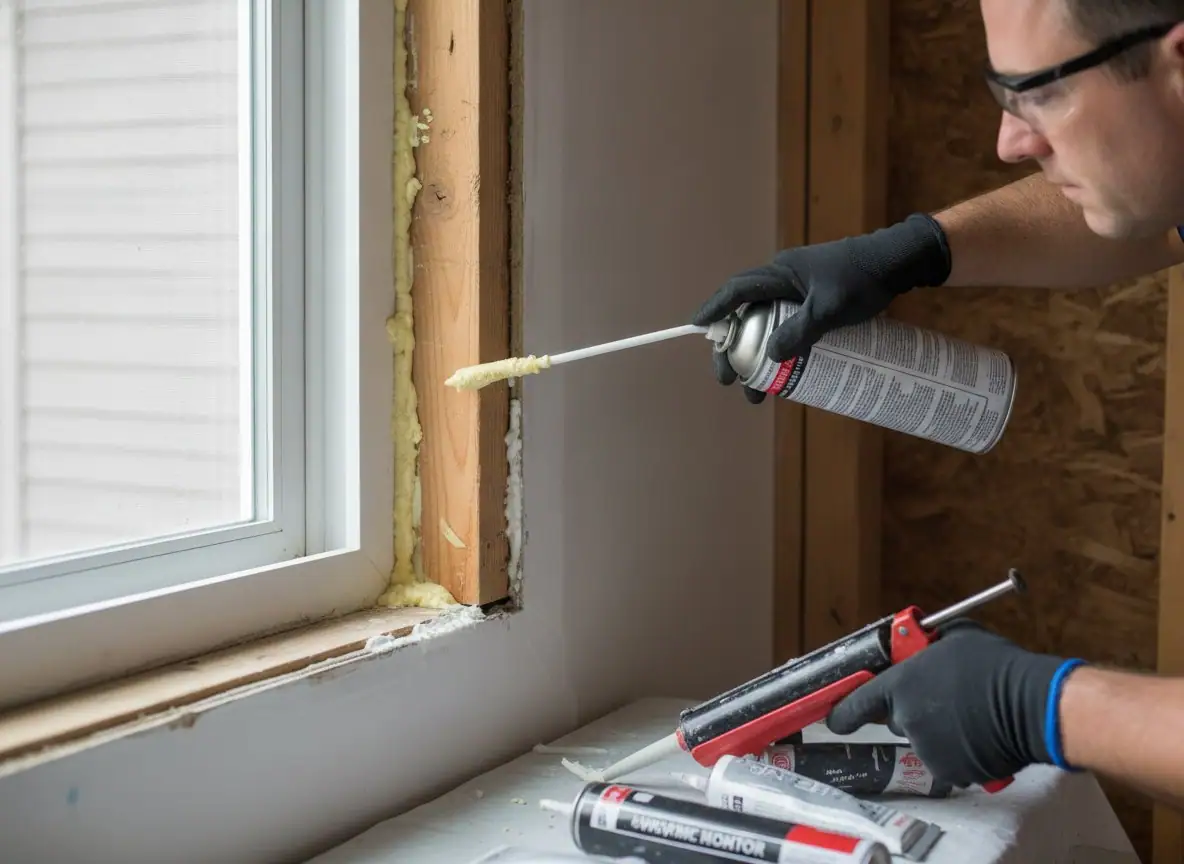
For maximum performance, especially in El Segundo homes near the LAX flight path where noise reduction is also a priority, we combine closed-cell spray foam at the attic perimeter (blocking air infiltration) with open-blow cellulose across the field area. This hybrid approach achieves both superior thermal performance and noise attenuation. Learn more about spray foam insulation options
Blown-In Insulation Cost in El Segundo, CA
Understanding blown-in insulation pricing in El Segundo requires accounting for several local variables that differ from national averages. Here’s a transparent breakdown of what El Segundo homeowners typically invest:
Typical Cost Ranges
- Attic blown-in insulation (open-blow): $1.50–$3.50 per square foot, depending on target R-value and existing conditions. A typical 1,200 sq ft El Segundo attic runs $1,800–$4,200 installed.
- Dense-pack wall insulation: $2.00–$4.00 per square foot of wall area. A 1,500 sq ft single-story home with four exterior walls typically costs $3,000–$6,000.
- Crawl space blown-in: $1,800–$3,500 for a standard El Segundo home, depending on crawl space height and accessibility. See crawl space insulation details
- Insulation removal plus replacement: Add $1.00–$1.50 per square foot to the base installation cost for projects requiring old insulation removal first.
Read moreShow less
Factors That Affect Your El Segundo Project Cost
- Target R-value: Title 24 minimum (R-38) vs. enhanced performance (R-49) adds approximately 20–25% to material costs.
- Attic accessibility: Homes with scuttle-hole attic access (common in El Segundo’s older homes) cost slightly more than those with full pull-down stair access.
- Existing insulation condition: Pest-damaged or moisture-compromised insulation requiring removal adds $500–$1,500 to the project.
- Material choice: Cellulose is typically 10–15% less expensive than fiberglass loose-fill for comparable R-values.
- Coastal premium: Labor costs in the South Bay coastal market run 8–12% above the Los Angeles County average due to cost of living and demand.
California utility rebates through SoCal Edison’s Energy Upgrade California program may offset $200–$500 of qualifying attic insulation projects. Call us at (310) 861-9135 for a free estimate tailored to your El Segundo home.
El Segundo and South Bay Neighborhoods We Serve
El Segundo’s Downtown Residential Core
The blocks surrounding Main Street and Grand Avenue contain El Segundo’s oldest residential properties — many dating to the 1920s and 1930s when the Standard Oil refinery first drew workers to the area. These homes frequently have zero attic insulation or degraded original materials, making them prime candidates for full blown-in insulation retrofits.
The Tree Section
El Segundo’s “Tree Section” — the neighborhood of streets named after trees west of Sepulveda — consists predominantly of 1940s–1960s single-family homes that sit closest to the ocean. Salt air exposure is highest here, and we frequently identify moisture-compromised insulation requiring removal before new blown-in material can be installed.
Manhattan Beach and Hermosa Beach
These adjacent coastal cities share El Segundo’s salt air and marine layer challenges. Larger homes with multi-zone HVAC systems benefit significantly from high-R-value blown-in attic insulation that reduces the thermal load on each zone.
Hawthorne and Lawndale
Located slightly inland, these communities see higher summer peak temperatures and contain large numbers of 1960s–1970s tract homes with original, underperforming insulation ripe for cost-effective blown-in upgrades.
Culver City and Inglewood
These urban communities contain diverse building types — from vintage California bungalows to modern condos — where dense-pack wall insulation and attic blown-in solutions address both energy efficiency and noise reduction priorities.
Blown-In Insulation Maintenance Tips for El Segundo Homeowners
- Inspect attic insulation depth annually. Cellulose settles at a rate of approximately 15–20% over the first decade. Check depth each fall before cooler weather arrives and top off if levels drop below minimum R-38 requirements.
- Monitor for moisture after heavy rain events. El Segundo’s periodic winter storms (typically December–February) can introduce water through roof vulnerabilities. Check attic for wet or discolored insulation following any rainfall exceeding 1 inch in 24 hours.
- Maintain proper attic ventilation. Ensure soffit vents along the eaves and ridge vents are unobstructed. Blocked ventilation traps moisture — a particular concern given El Segundo’s marine layer humidity.
- Seal attic penetrations promptly. New recessed light fixtures, plumbing vents, or electrical upgrades create gaps. Seal these with fire-rated caulk or foam before they compromise your insulation’s effectiveness.
- Keep HVAC equipment out of insulation. Ensure attic HVAC units and ductwork are not compressing or displacing blown-in material. Schedule duct inspections every 3–5 years.
- Address pest activity immediately. Rodents nesting in blown-in insulation contaminate material and reduce R-value. El Segundo’s proximity to open space near the beach dunes increases rodent risk in some areas.
- Schedule professional inspections every 5–7 years. A trained technician can identify subtle degradation, settling, or moisture issues invisible from the attic access hatch.
Why Choose Cool Zone Insulation in El Segundo?
Cool Zone Insulation has built its reputation by focusing exclusively on the South Bay and coastal Los Angeles market — a region with insulation challenges that are genuinely different from the rest of Southern California. Our technicians understand the specific dynamics of El Segundo’s marine climate, its post-war housing stock, and the California Title 24 requirements that govern every permitted renovation in Climate Zone 8.
We don’t use one-size-fits-all solutions. When we assess a home in El Segundo’s Tree Section, we account for salt air exposure. When we quote a project near the LAX perimeter, we consider acoustic insulation benefits alongside thermal performance. Our estimates are transparent, line-itemized, and never padded with unnecessary upsells.
Read moreShow less
Our team is trained on the latest blown-in installation techniques and material technologies, and we stay current with SoCal Edison rebate programs so we can help El Segundo homeowners maximize their return on investment. Every project receives a written Certificate of Installation documenting achieved R-values for permit compliance and future resale documentation.
We serve the entire South Bay, including all El Segundo neighborhoods, and we’re available for fast-turnaround estimates when permit deadlines are involved. Call (310) 861-9135 to schedule your free assessment today.
Explore our crawl space encapsulation services
FAQ
Frequently Asked Questions About Blown-In Insulation Cost in El Segundo
How much does blown-in insulation cost for a typical El Segundo home?
Most El Segundo homeowners pay between $1,800 and $4,500 for attic blown-in insulation, depending on square footage, target R-value, and whether existing insulation must be removed first. Homes in the 1,000–1,500 sq ft range (common in El Segundo’s Tree Section) typically fall in the $1,800–$3,200 range for a complete attic treatment to R-38.
How long does blown-in insulation installation take in El Segundo?
Most residential attic blown-in projects in El Segundo are completed in a single day — typically 4 to 8 hours including setup, installation, and cleanup. Larger projects or those requiring insulation removal first may require two days. We provide a specific timeline estimate during your free assessment.
Is blown-in insulation better than batt insulation for El Segundo homes?
For most El Segundo homes — particularly the post-war bungalows and ranch-style construction prevalent in the city — blown-in insulation outperforms batts. It fills irregular joist bays and gaps more completely, provides better coverage around obstructions, and manages the coastal moisture cycles more effectively than fiberglass batts, which can sag and lose R-value when exposed to the marine layer humidity common in El Segundo from May through September.
Does El Segundo require permits for blown-in insulation installation?
Stand-alone insulation projects (adding to or replacing existing attic insulation) generally do not require a permit in El Segundo. However, if insulation work is part of a broader renovation, addition, or roof replacement, Title 24 compliance documentation is required, and we provide the necessary Certificate of Installation for your permit submittal.
Will blown-in insulation help with noise from LAX flight paths?
Yes, particularly for El Segundo homes located beneath LAX approach and departure corridors. Dense-pack cellulose blown into wall cavities can reduce airborne sound transmission by 3–5 STC points compared to uninsulated walls. Combining wall insulation with attic blown-in provides measurable noise reduction indoors. For maximum acoustic performance, we recommend a hybrid approach combining blown-in with spray foam at air infiltration points. Learn more about spray foam for noise reduction
How long does blown-in insulation last in El Segundo’s coastal environment?
Quality blown-in cellulose or fiberglass insulation installed by a professional contractor has a useful life of 20–30 years in typical El Segundo conditions. Salt air exposure can accelerate degradation if proper vapor barriers are not installed, which is why our coastal assessments include a moisture management evaluation as part of every project scope.
Are there rebates available for blown-in insulation in El Segundo?
Yes. SoCal Edison’s Energy Upgrade California rebate program offers incentives for qualifying attic insulation projects that bring homes to R-38 or higher. Rebates typically range from $100 to $500 depending on project scope. We assist our El Segundo customers with rebate documentation as part of our standard service.
Can blown-in insulation be installed over my existing insulation?
In many cases, yes. If your existing insulation is dry, uncontaminated, and structurally sound, we can blow new material directly over it to bring total R-value up to Title 24 standards. However, if existing insulation shows signs of moisture damage, pest activity, or significant settling (common in El Segundo homes over 30 years old), removal and replacement is the recommended approach.
Get Your Free Blown-In Insulation Estimate in El Segundo Today
Don’t let inadequate insulation cost you hundreds of dollars every year in unnecessary energy bills. Whether you’re a long-time El Segundo resident upgrading a post-war bungalow, a new homeowner navigating Title 24 permit requirements, or a property owner managing a multi-unit building near the South Bay coast, Cool Zone Insulation has the local expertise to deliver the right solution at a transparent, competitive price.
Our team serves all El Segundo neighborhoods as well as the broader South Bay area including Manhattan Beach, Hermosa Beach, Redondo Beach, Torrance, Hawthorne, Inglewood, Culver City, and Gardena.
Call us now at (310) 861-9135 to schedule your free, no-obligation on-site assessment. We’ll evaluate your home’s current insulation levels, identify gaps and moisture risks specific to your El Segundo location, and provide a clear written estimate — usually within 24 hours of your visit.
Contact Cool Zone Insulation online or call (310) 861-9135 today. Stay comfortable. Save energy. Choose Cool Zone.
Get in touch
Find insulation help near you
Request a free estimate online or give us a call — our team will follow up quickly.
- Call us(310) 861-9135
- Visit2333 Utah Ave, El Segundo, CA 90245
- HoursMon-Sun 07:00-19:00