Fiberglass Insulation in El Segundo, CA
Energy-Saving Fiberglass Insulation for El Segundo, CA Homes — Licensed & Insured
Need fiberglass insulation in El Segundo, CA? Cool Zone Insulation offers expert installation, removal & replacement. Call (310) 861-9135 for a free estimate today.
Fiberglass insulation is one of the most trusted and widely used insulation materials in residential and commercial construction. Composed of extremely fine glass fibers, it is engineered to trap air and slow the transfer of heat, keeping interiors comfortable year-round while reducing energy consumption. For homeowners and business owners in El Segundo, CA, fiberglass insulation is a particularly smart investment given the city’s proximity to Los Angeles International Airport, the Pacific Ocean, and the industrial coastal corridor that creates unique thermal and acoustic demands on buildings.
At Cool Zone Insulation, we bring hands-on expertise in fiberglass insulation installation, replacement, and removal to properties throughout El Segundo and the surrounding South Bay communities. Whether you’re insulating a newly constructed aerospace-industry office building near Douglas Street or upgrading the attic of a 1950s bungalow in the city’s residential core, our team delivers precise, code-compliant work tailored to El Segundo’s specific climate and construction landscape. Call us today at (310) 861-9135 to get started.
Understanding Fiberglass Insulation
Fiberglass insulation was first developed in the 1930s and has since become the dominant insulation material used across North America. It is manufactured by melting glass and spinning or blowing it into extremely thin fibers, which are then bonded together into batts, rolls, or loose-fill material. The resulting product achieves its insulating power through the countless tiny air pockets trapped between the fibers, which resist heat conduction, convection, and radiation.
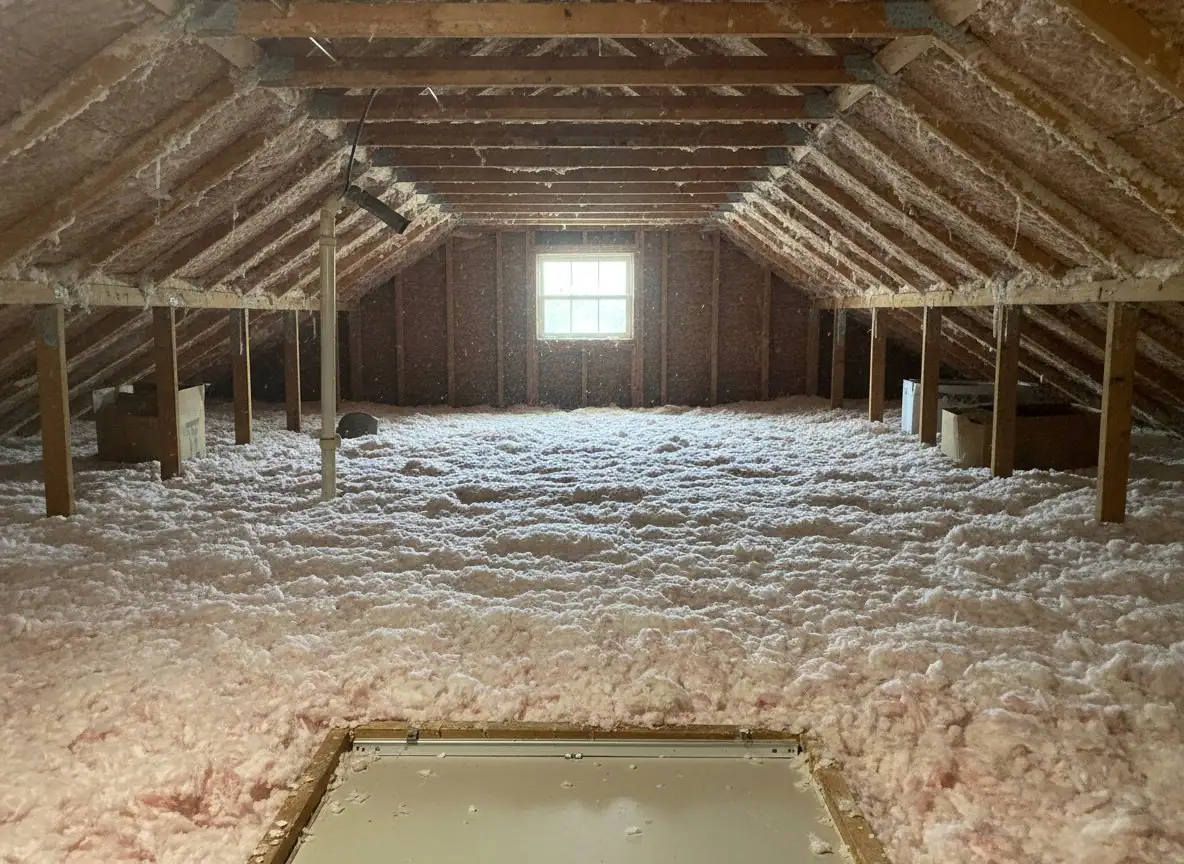
There are two primary forms of fiberglass insulation used in residential and commercial applications. Batt and roll insulation comes in pre-cut panels or continuous rolls sized to fit standard stud and joist spacings. It is ideal for walls, floors, and attics with consistent framing dimensions. Blown-in fiberglass, sometimes called loose-fill fiberglass, is installed using a blowing machine that distributes the material evenly across irregular cavities, making it particularly effective in attic floors with existing framing, oddly shaped spaces, or areas where batts cannot easily be inserted without disturbing existing structures.
Read moreShow less
Fiberglass insulation is rated by R-value, which measures thermal resistance per inch of thickness. Common R-values range from R-11 for 3.5-inch wall cavities to R-38 or R-49 for attic applications. California’s Title 24 energy code, which governs all new construction and major renovations in El Segundo, specifies minimum R-values depending on climate zone. El Segundo falls within California’s Climate Zone 8, which is characterized by mild temperatures, marine influence, and relatively modest heating and cooling demands compared to inland zones. However, this coastal mildness does not eliminate the need for proper insulation — it simply shifts the priority toward acoustic control, moisture management, and year-round comfort optimization.
In El Segundo, fiberglass insulation is found across a diverse building stock that includes post-World War II single-family homes, mid-century commercial buildings tied to the aerospace industry, and modern mixed-use developments. Many older structures were built with little or no insulation by today’s standards, making retrofitting a common and financially rewarding project for property owners throughout the city.
Why Fiberglass Insulation Is Needed in El Segundo, CA
LAX Flight Path Noise and Acoustic Demands
El Segundo sits directly beneath one of the busiest commercial flight corridors in the United States. Los Angeles International Airport, located immediately north of the city along Sepulveda Boulevard, processes over 88 million passengers annually. Flight operations run around the clock, with aircraft on the most common westward departure pattern passing over the northern residential neighborhoods — including areas near Imperial Avenue and Mariposa Avenue — at altitudes as low as 800 feet. Fiberglass batt insulation in walls and ceilings provides a meaningful acoustic buffer, with dense-pack installations capable of achieving Sound Transmission Class (STC) ratings of 39 to 45 when combined with proper drywall assemblies. For residents in El Segundo’s northwestern quadrant, this acoustic benefit may actually exceed the thermal benefit as a motivating factor for insulation upgrades.
Marine Layer and Coastal Moisture Intrusion
El Segundo’s coastal position along Santa Monica Bay means the city experiences a persistent marine layer during the late spring and summer months — a phenomenon locally called “June Gloom” that often extends well into July and August. Morning relative humidity levels regularly exceed 85 percent in coastal neighborhoods. This moisture, when it penetrates under-insulated attic spaces or wall cavities, can compress existing insulation, reduce effective R-value, and create conditions favorable to mold growth. Fiberglass insulation, unlike cellulose, does not absorb or retain moisture, making it particularly well-suited to El Segundo’s damp coastal mornings. However, proper vapor management during installation is critical in this microclimate.
Chevron and Aerospace Industry Thermal Loads
El Segundo is home to Chevron’s West Coast refinery, one of the largest in California, as well as major aerospace and defense campuses including Boeing, Northrop Grumman, and Raytheon facilities along El Segundo Boulevard and Douglas Street. Industrial heat radiation from these operations can modestly elevate ambient temperatures in adjacent residential and commercial areas. Properties within approximately half a mile of the refinery corridor along Sepulveda Boulevard may experience higher-than-average exterior wall temperatures, making attic and wall insulation upgrades more impactful for cooling cost reduction.
Aging Housing Stock and Code Compliance
A significant portion of El Segundo’s residential housing was constructed between 1945 and 1965 during the post-war aerospace boom, when the city’s population swelled from under 5,000 to over 15,000 residents. Homes from this era were routinely built with R-11 or lower wall insulation — far below the R-21 currently required by California Title 24 for Climate Zone 8 renovations. Many of these properties on streets like Standard Street, Arena Street, and Whiting Street still have their original insulation in place, compressed and degraded over 60-plus years of thermal cycling, pest activity, and settling. Replacing this insulation with modern fiberglass batts or blown-in fiberglass offers some of the highest return-on-investment of any home energy upgrade in the area.
Salt Air Corrosion and Building Envelope Integrity
El Segundo’s proximity to the ocean — the city’s western boundary lies just 0.8 miles from the shoreline — means buildings are consistently exposed to salt-laden air. Salt air accelerates corrosion on metal components including HVAC ducts, which can develop gaps and leaks over time. Air leakage through duct seams and building envelope penetrations compounds insulation deficiencies, making a combined approach of air sealing and fiberglass insulation installation particularly effective for El Segundo properties.
Free, no-obligation estimates
Talk to Cool Zone Insulation
Tell us what you need and we’ll take it from there.
Signs You Need Fiberglass Insulation in El Segundo
Energy and Comfort Indicators
- Monthly energy bills that consistently exceed the Southern California Edison average for similarly sized homes in Climate Zone 8
- Rooms that feel noticeably warmer in summer or colder in winter than adjacent spaces
- HVAC system running continuously during El Segundo’s Santa Ana wind events, which drive temperatures above 90°F even in this coastal city
- Uneven temperatures between the first and second floors of a multi-story home
Physical and Structural Signs
- Visible insulation in the attic that appears flat, compressed, or below joist level — indicating settling that reduces effective R-value by 30 percent or more
- Water stains on attic insulation following El Segundo’s winter rain events, which average 12 to 14 inches annually
- Insulation that appears discolored, moldy, or has a musty odor when attic access is opened
- Visible gaps or voids in wall insulation detected during renovation work
Acoustic Indicators
- Aircraft noise from LAX flight operations clearly audible inside rooms with exterior walls or ceilings facing the flight path
- Street noise from Sepulveda Boulevard or El Segundo Boulevard penetrating interior living spaces
Urgency Indicators
If your home was built before 1978 and insulation has never been removed or tested, schedule a professional assessment before disturbing any existing materials. Some pre-1980 vermiculite or spray-applied materials may contain hazardous components requiring proper handling.
Fiberglass Insulation Methods and Approaches
Fiberglass Batt and Roll Insulation
The most common approach for new construction and open-cavity retrofits. Pre-cut batts are sized for standard 16-inch and 24-inch on-center framing, making them efficient for El Segundo homes built during the post-war construction boom when standard framing was universal. Batts are available with or without kraft paper or foil facing, which acts as a vapor retarder appropriate for Climate Zone 8’s mild humidity conditions. Explore our attic insulation services
Blown-In Fiberglass (Loose-Fill)
Ideal for attic floors with existing framing and for dense-packing into closed wall cavities through small drill holes. This method is particularly well-suited for El Segundo’s many 1950s-era homes where accessing wall cavities without opening drywall is essential for minimizing disruption. Blown-in fiberglass achieves excellent coverage around obstacles like ceiling joists, blocking, and existing wiring. Learn about our blow-in insulation services
High-Density Fiberglass Batts for Acoustic Applications
For walls and ceilings facing the LAX flight path or bordering Sepulveda Boulevard, high-density fiberglass batts provide enhanced sound attenuation compared to standard-density products. These products achieve R-15 performance in a 3.5-inch wall cavity while also improving STC ratings.
Combination Fiberglass and Spray Foam Systems
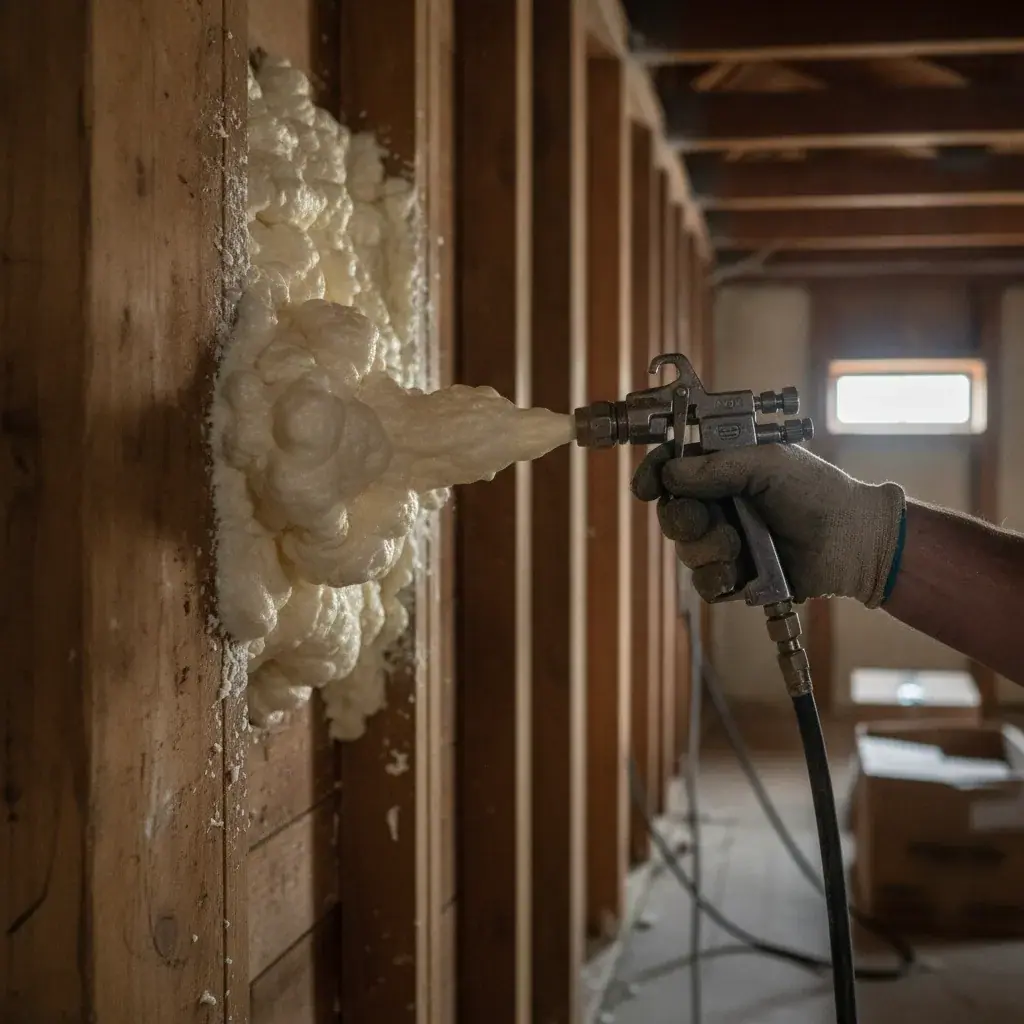
In some El Segundo attic applications, particularly in properties with complex rooflines or those requiring both air sealing and maximum thermal performance, we combine a thin layer of closed-cell spray foam at the roof deck with blown-in fiberglass at the attic floor. Learn more about spray foam insulation
Fiberglass Insulation Cost in El Segundo, CA
Understanding the investment involved in fiberglass insulation helps El Segundo property owners plan and budget effectively. Costs vary based on scope, access conditions, and the specific application.
Typical Cost Ranges
- Attic blown-in fiberglass (to R-38): $1.50 to $2.50 per square foot installed. A 1,200 square foot attic typically costs $1,800 to $3,000 complete.
- Wall batt insulation (new construction or open wall retrofit): $0.50 to $1.25 per square foot of wall area, depending on R-value and batt type.
- Dense-pack fiberglass for closed walls: $2.00 to $4.00 per square foot due to the labor involved in drilling, blowing, and patching.
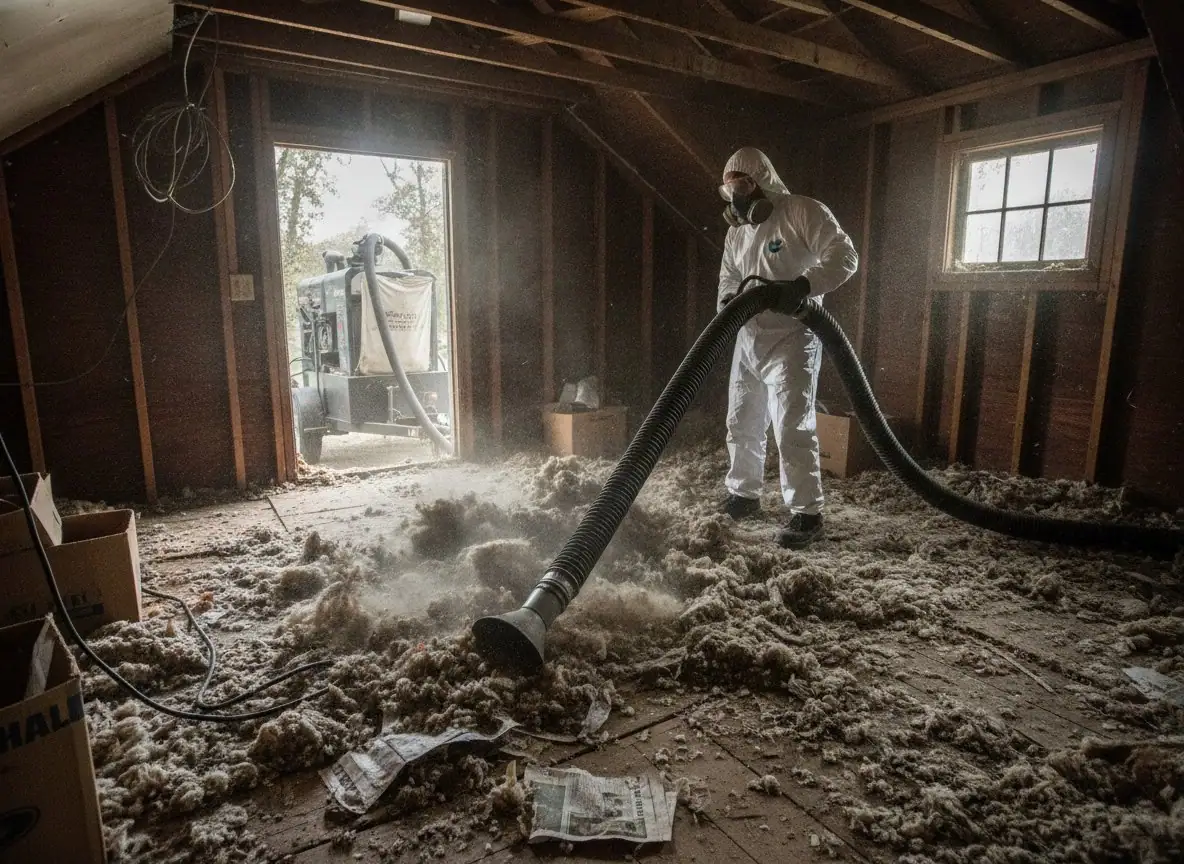
- Insulation removal prior to replacement: $1.00 to $2.00 per square foot, varying by contamination level and access difficulty.
- Full attic insulation replacement (removal plus new blown-in): $2,500 to $5,500 for a typical El Segundo single-family home.
Read moreShow less
El Segundo-Specific Cost Factors
Labor costs in El Segundo reflect the broader Los Angeles South Bay market, which runs approximately 15 to 20 percent higher than national averages due to California prevailing wage standards and higher cost of living. Homes near the LAX corridor may require additional acoustic-grade materials that add 10 to 20 percent to material costs. Access challenges in older homes — particularly attics with low clearance or inadequate hatch openings — can add $200 to $500 in labor time.
Available Incentives
Southern California Edison’s Energy Upgrade California program offers rebates for qualifying insulation upgrades in Climate Zone 8. Homeowners may be eligible for rebates of $0.10 to $0.20 per square foot for blown-in attic insulation upgrades that bring properties to or above R-38. Call us at (310) 861-9135 for a detailed estimate tailored to your property.
El Segundo Neighborhoods and Nearby Areas We Serve
El Segundo Residential Core (Standard Street, Arena Street, Whiting Street)
The heart of El Segundo’s residential neighborhood consists primarily of homes built between 1940 and 1965, many with original or once-upgraded insulation that has long since compressed and degraded. These properties represent the highest concentration of insulation replacement opportunities in the city, and their proximity to the LAX flight path makes acoustic-grade fiberglass upgrades particularly valuable.
Manhattan Beach
Just south of El Segundo along Highland Avenue, Manhattan Beach features a mix of high-value post-war homes and newer custom construction. Homeowners here often prioritize acoustic insulation alongside thermal performance, and we regularly work in beach-close properties where salt air exposure has compromised existing building envelope components.
Hawthorne and Lawndale
These inland communities feature extensive 1960s and 1970s tract housing with insulation that has reached the end of its effective service life. Blown-in fiberglass attic upgrades are the most common project we complete in these neighborhoods, delivering rapid energy savings for homeowners on fixed incomes.
Hermosa Beach and Redondo Beach
Coastal properties in these communities share El Segundo’s marine layer challenges and salt air exposure. Crawl space insulation is particularly important here, where moisture from coastal humidity can accumulate beneath pier-and-beam foundations common in pre-1960 beach-area construction.
Fiberglass Insulation Maintenance Tips for El Segundo Properties
- Inspect attic insulation annually: Check depth and condition each fall before El Segundo’s winter rain season. Look for compression, moisture staining, or pest disturbance along exterior wall lines.
- Maintain attic ventilation: Ensure soffit and ridge vents remain unobstructed. Blocked ventilation traps moisture and degrades fiberglass performance in the coastal marine environment.
- Check attic hatch seals: The attic hatch is a major thermal bypass in many El Segundo homes. Inspect and replace weatherstripping and rigid insulation on the hatch cover every two to three years.
- Monitor for pest activity: Roof rats are common in El Segundo’s mature tree neighborhoods. Rodent nesting activity in insulation reduces R-value and may require professional removal and replacement.
- Reseal penetrations after any renovation work: Plumbing, electrical, or HVAC work that penetrates insulated assemblies should be resealed with fire-rated caulk immediately after project completion.
- Avoid storing items directly on blown-in attic insulation: Physical compression from stored boxes permanently reduces R-value in affected areas.
- Check wall insulation after major seismic events: Southern California’s frequent seismic activity can shift batt insulation within wall cavities, creating gaps at top and bottom plates.
Why Choose Cool Zone Insulation for Fiberglass Insulation in El Segundo
Cool Zone Insulation has built its reputation serving the South Bay’s diverse property landscape, from compact beach bungalows in Hermosa Beach to large commercial facilities along El Segundo’s aerospace corridor. Our technicians understand the specific challenges posed by El Segundo’s combination of LAX acoustic pressure, coastal humidity, aging housing stock, and California’s demanding Title 24 energy code requirements.
We bring a comprehensive service offering to every project. In addition to fiberglass insulation installation, we handle insulation removal, crawl space encapsulation, attic insulation, and spray foam insulation — meaning we can address every layer of your building’s thermal envelope in a single coordinated project.
Read moreShow less
Our team conducts thorough pre-installation assessments, uses calibrated installation equipment, and provides written documentation of completed R-values for every project. We communicate clearly about timelines, costs, and available utility rebates so El Segundo property owners can make confident, informed decisions.
Call us at (310) 861-9135 to schedule your free on-site assessment today.
FAQ
Frequently Asked Questions About Fiberglass Insulation in El Segundo, CA
How much does fiberglass insulation cost in El Segundo?
Costs vary by application and scope. Blown-in attic insulation to R-38 typically runs $1,800 to $3,000 for a 1,200 square foot attic in El Segundo. Wall insulation projects range from $0.50 to $4.00 per square foot depending on whether walls are open or closed. Call (310) 861-9135 for a free on-site estimate specific to your property.
How long does fiberglass insulation last in a coastal environment like El Segundo?
Quality fiberglass insulation can last 80 to 100 years under ideal conditions. However, in El Segundo’s coastal environment, marine layer humidity, pest activity, and physical disturbance from renovation work can reduce effective service life. Most homeowners in El Segundo with pre-1990 insulation benefit from a professional assessment to determine whether replacement is warranted.
Will fiberglass insulation help with aircraft noise from LAX?
Yes, fiberglass batt insulation — particularly high-density products — contributes meaningfully to acoustic performance in wall and ceiling assemblies. When combined with proper drywall construction, insulated assemblies can achieve STC ratings of 39 to 45, which noticeably reduces the perceived intensity of LAX flight operations. However, windows and doors are typically the primary path for aircraft noise and should also be addressed for comprehensive acoustic improvement.
Do I need to remove old insulation before installing new fiberglass?
Not always. In many El Segundo attics, blown-in fiberglass can be added on top of existing insulation in acceptable condition to bring total R-value up to current standards. However, if existing insulation is water-damaged, pest-contaminated, compressed below half its original depth, or if asbestos-containing materials are suspected in pre-1980 construction, removal before replacement is strongly recommended. Our technicians assess this during the free on-site evaluation.
How long does a typical fiberglass insulation project take in El Segundo?
Most residential attic insulation projects in El Segundo are completed in a single day. Full insulation removal and replacement projects may require one to two days depending on attic size and access conditions. Wall insulation projects involving dense-pack installation into closed cavities are typically completed within one to two days for a standard single-family home.
What R-value does California require for homes in El Segundo?
El Segundo falls in California Climate Zone 8. Under current Title 24 standards, the minimum required R-value for attic insulation in new construction is R-38, with R-49 recommended for maximum efficiency. Wall insulation minimums are R-21 for 2×6 framing and R-15 for 2×4 framing. Older homes being retrofitted should target these same levels for best energy savings and code compliance during permitted renovation work.
Is fiberglass insulation safe to have installed in an occupied home?
Yes. Modern fiberglass insulation products used by Cool Zone Insulation meet California’s strict indoor air quality standards. During installation, we take precautions including sealing attic access points to prevent fiber migration into living areas. Occupants can typically return to normal activity in treated areas immediately following installation.
Do you serve areas near El Segundo like Manhattan Beach and Torrance?
Absolutely. We serve the full South Bay region including Manhattan Beach, Torrance, Hawthorne, Hermosa Beach, Redondo Beach, Gardena, Inglewood, Culver City, Westchester, Playa del Rey, Marina del Rey, Lawndale, Ladera Heights, and Palos Verdes Estates. Contact us at (310) 861-9135 to confirm service availability and schedule an assessment at your location.
Get Your Free Fiberglass Insulation Estimate in El Segundo Today
If your El Segundo home or commercial property is uncomfortable, energy-inefficient, or simply overdue for an insulation upgrade, Cool Zone Insulation is ready to help. Our team brings local South Bay expertise, thorough assessment processes, and clean, professional installation to every project — from small attic top-ups to full building envelope upgrades.
Don’t let compressed, degraded, or missing insulation drive up your Southern California Edison bill or leave your family exposed to LAX flight noise another season. Call us at (310) 861-9135 to schedule your free on-site assessment. We serve El Segundo and all surrounding South Bay communities and are ready to provide a detailed, no-obligation estimate for your fiberglass insulation project.
Contact Cool Zone Insulation today and take the first step toward a more comfortable, energy-efficient property in El Segundo, CA.
Get in touch
Find insulation help near you
Request a free estimate online or give us a call — our team will follow up quickly.
- Call us(310) 861-9135
- Visit2333 Utah Ave, El Segundo, CA 90245
- HoursMon-Sun 07:00-19:00